
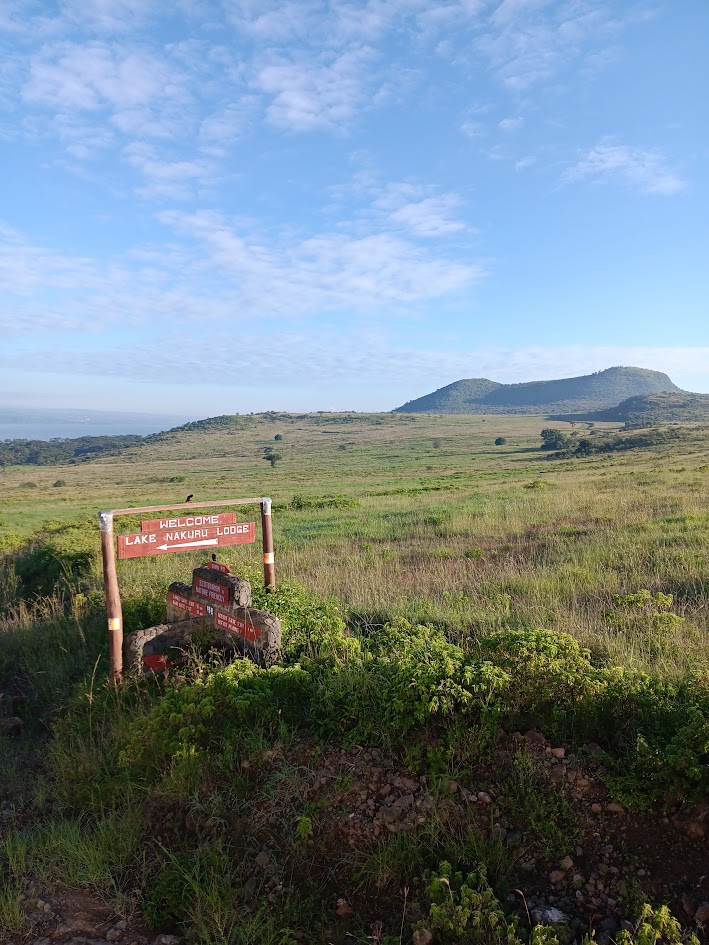
I have been traveling for some time and yet to do a proper African Safari. Surprisingly I was a bit apprehensive. Ive seen the videos of people on safari when all of a sudden a lion jumps on the sarafi car and tries to get in or when a rhino charges the car and a chase ensues. I know this is not common but I’m not an adrenaline junkie. I prefer to know the outcome of the travel I choose. Animals are unpredictable.
But I wanted to see Africa. I chose Kenya. If you are looking for a budget Safari destination Kenya is a great choice. Tanzania has decided to cater to luxury only. They have increased their prices and for me, outpriced what I wanted to pay. Kenya is still reasonable. They offer a spectrum ,from high cost-luxury safari lodges, on the grounds of game parks, to low cost camping safari’s.
I decided to go with Intrepid’ s Camping Safari and tacked on a few days in Nairobi.
Protip: book tours during Black Friday sales or be on the look out for when tour companies are having their own sales. I booked on tourradar during a black Friday sale and saved a few hundred dollars.
I was able to get this 8-day camping trip for a good discount. This included all of my transportation, accommodations (campgrounds plus 2 nights in hotels) all meals ( three a day, all home cooked), entrances to all parks and daily activities, and water is provided. Reminder this is a budget camping trip where I slept in a tent. Upgrades to stay in glamping tents or cabins at some locations were available for small fees. Intrepid also provided the tent and sleeping mats. For a fee you can rent a sleeping bag, but I had one so I just brought my own.
Intrepid
I personally recommend using Intrepid when it comes to group tours. I don’t generally do group tours unless I feel like the country will be particularly hard to navigate or it is somewhere I think it might be difficult to be alone. A safari is not something you can really do alone.
I have used Intrepid before and they are great. From their guides to the experiences it always feels well thought out and put together, everything is local. They focus on local initiatives, use local guides, small business and make a point to have experiences where you interact with the community. They also focus on sustainability. On this trip the meals were prepared by a cook every day. Everything was reuseable, we left nothing behind and we worked as a team to clean up or help prep. Our cook shopped in the local markets when we were out. It is also how they keep costs down for the trip.
Kenya: A Brief Overview
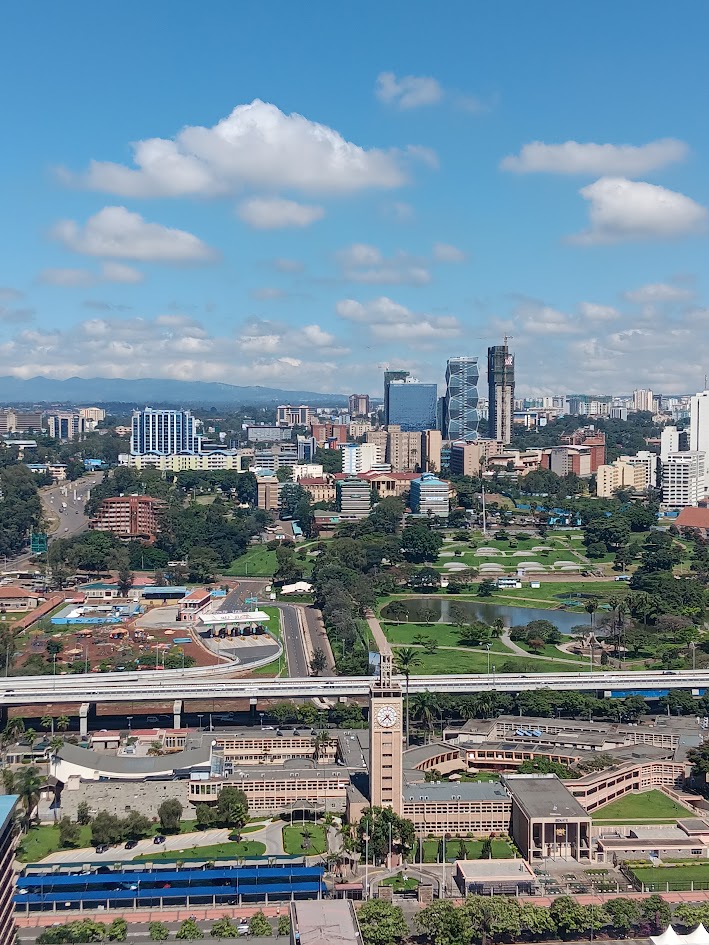
I was unsure what to expect when heading to East Africa. It was my first time going there. I tacked on a few extra days in Nairobi to explore the city and adjust to the time change. The city is huge. You can’t explore on foot. It would be impossible. Luckily Uber/Bolt are very affordable, so I was able to go out to eat and get around alone easy.
On my first night I took a Bolt to Nairobi Street Kitchen. A trendy food hall in the Westland’s. Clearly targeting young people and foreigners they had a range of food options.
Intrepid has suggestions to add on for walking tours and there is also a National Game Park in Nairobi that is easily accessible to explore as a day trip. Worth coming in early to do these few things before hitting the road for the real attractions. I added on the day tour of city and for my second day I was able to explore a lot of Nairobi.
Although I felt completely safe while I was there, Nairobi does have a high crime rate and better not to walk around after dark alone or take public transport. I was also quicker to be ripped off in Tunis than I was in Nairobi where the locals offered help without trying to ask for money.
History
It would take a book to fully encapsulate the history of Kenya but often referred to as the “cradle of humanity”, fossil remains were found in Northern Kenya dating back 1.6 million years, just to give you an idea. Having a coastal location made it a trading hub in the early centuries and eventually it was colonized by the British. Like so many other countries who have chapters of their histories that read exactly like this.
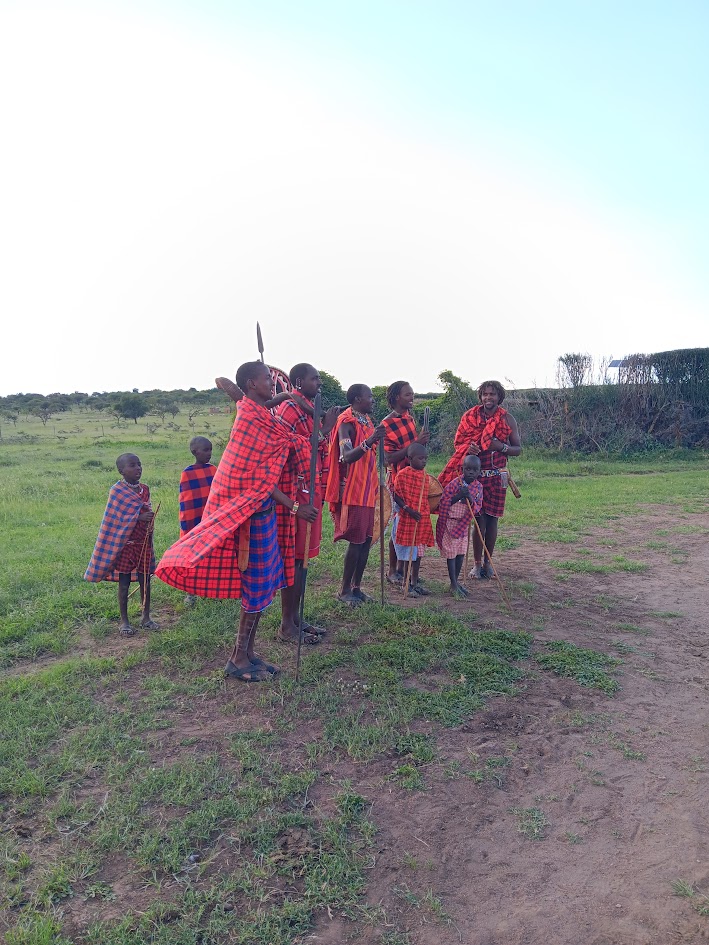
Land was stolen from the local tribes, like the Kikuyu and Maasai, given to Europeans for settlement. After many uprisings led by militias and tribal fighters nearly 80 years of a brutal, oppressive colonization came to an end. Jomo Kenyatta became the countries first Prime Minister and later President.
Corruption in Politics
Even though Kenya is the leading economic country in East and Central Africa it suffers under a government that does not act for its people but for itself. Constantly accused of accepting bribes and stealing funds from their constitutes, the people of Kenya have a deep distrust of those that run their country. Many elections are bought or fixed and even though the country brings in a lot of money nearly 40% of the population live under the national poverty line.
Health Issues
Kenya has one of the highest HIV epidemics in the world with nearly 1.4 million people diagnosed as of 2025. However, it is believed the numbers are much higher, but many people do not get tested due to the stigmas surrounding the disease. Under colonial era laws same-sex acts are still criminalized in Kenya and AIDS/HIV is still considered to be a homosexual disease. Many people will not get tested due to this and the disease spreads because of this.
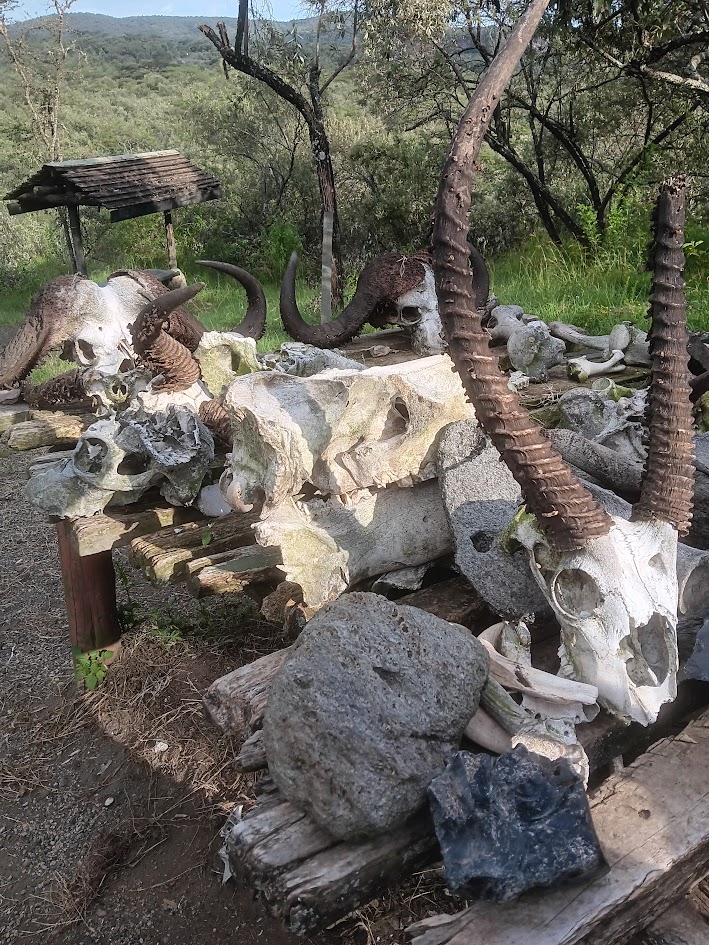
What to Expect from a Camping Safari?
I’m not sure why I felt the need to prove to myself that I could camp in Africa. But there I was. I also wanted to do a safari as cheap as I could without sacrificing my safety or the integrity of the trip. So, pitching tents and sleeping bags it was.
However, it was a lot easier than I expected. Most of the time I didn’t even have to pitch my own tent. The people who worked at the camp site would often have it done while we were eating or out exploring. Incredibly nice of them. Also, a few of the sites had such cheap options to upgrade to glamping options (10 USD a night) I occasionally upgraded when it was available. Why not?
All camp sites have bathroom/shower facilities. Think dormitory style. Remember if you must go to the bathroom in the middle of the night you have to go out in the dark. I avoided doing this. The campsites all had gates to (attempt) to keep the bigger animals out. It was the smaller animals you had to watch out for. The monkeys and the warthogs. Apparently, the warthogs are particularly dangerous. Even though I had a headlamp with me I wanted to limit walking in the dark alone.
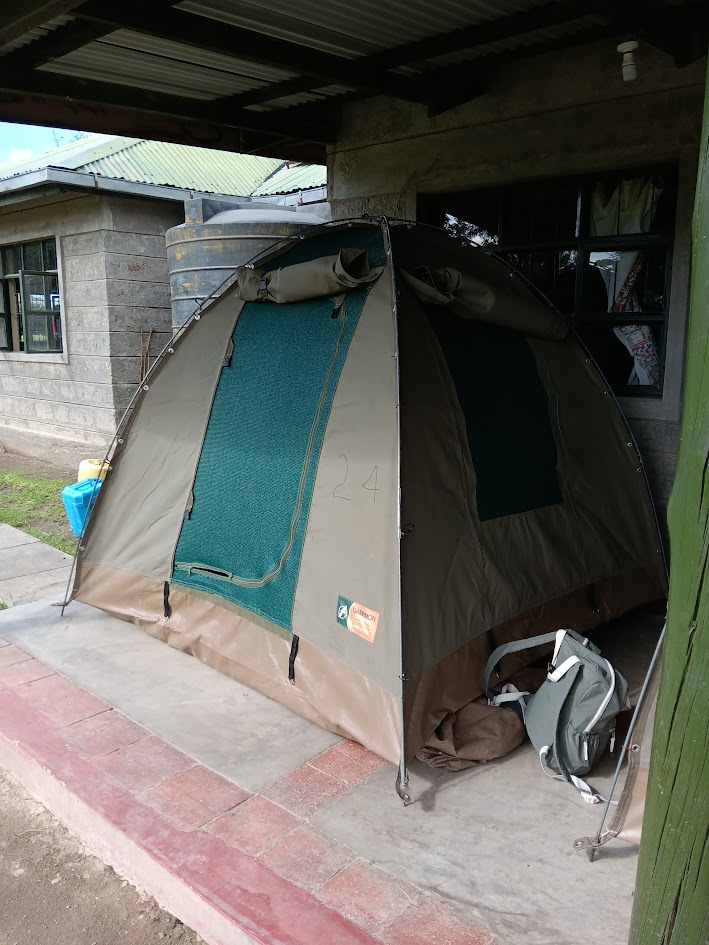
I brought a big backpack and a smaller day pack. The safari truck had lockers for each of us. Instead of having to lug the big pack in and out I would transfer what I needed into the small pack and take that into the tent. It was much easier this way. I was always able to get into my locker if needed.
The truck also had charging stations but I brought along a portable charger just in case for my phone and camera battery since the campsites themselves only had electricity in the bathrooms.
As I mentioned before all our meals were prepared by a cook who traveled around with us. We would always help with set ups and clean ups. We traveled with our cups, plates, utensils and cookware. However, while we were out, she would go to local markets to pick up things we ran out of or needed. The food was always delicious and varied every day. There was always local cuisine but peppered in would be basic pasta and other things incase someone was picky or didn’t prefer an item.
I read that you should stay away from wearing black or bright colors. Black because of the heat and bright colors because it is attractive to predators. I opted for a beige, olive green, muted toned wardrobe. Mostly you are sitting in a truck for long periods of time my suggestion is to dress comfortably. I did two walking safaris and my hiking boots came in handy because the terrain was muddy and the grass can be high. Otherwise, I was fine with my sturdy sandals and sneakers. I even wore sundresses. Kenya isn’t conservative but the sun can be a lot when you are out in it all day. Hydrate, wear sunscreen, a brimmed hat and cover up.
What to bring?
This is a list of what I brought or didn’t bring and wish I did.
Light colored clothes, headlamp, hat with a brim, sunscreen, bug spray, hiking boots or good sneakers, portable charger, reusable water bottle
LED inflatable rechargeable lantern – this was great for the tent at night
sleeping mat (thick) – they do provide you with one but it is thin. I wish I brought a better one.
Binoculars – with out a doubt bring this. Yes a lot of the animals are very close but not always
Inflatable pillows, books, reading light, travel towel, travel size toiletries (you want to carry as little as possible to the showers to make your life easy)
TUMS or something for an upset stomach. I made the mistake of brushing my teeth with the hotel water not even thinking. The first few days my stomach was weird. I had to switch to filtered. You just never know how your stomach will react.
There is no requirement for vaccinations or Malaria medications for Kenya for US Citizens.
The overall experience
Incredible.
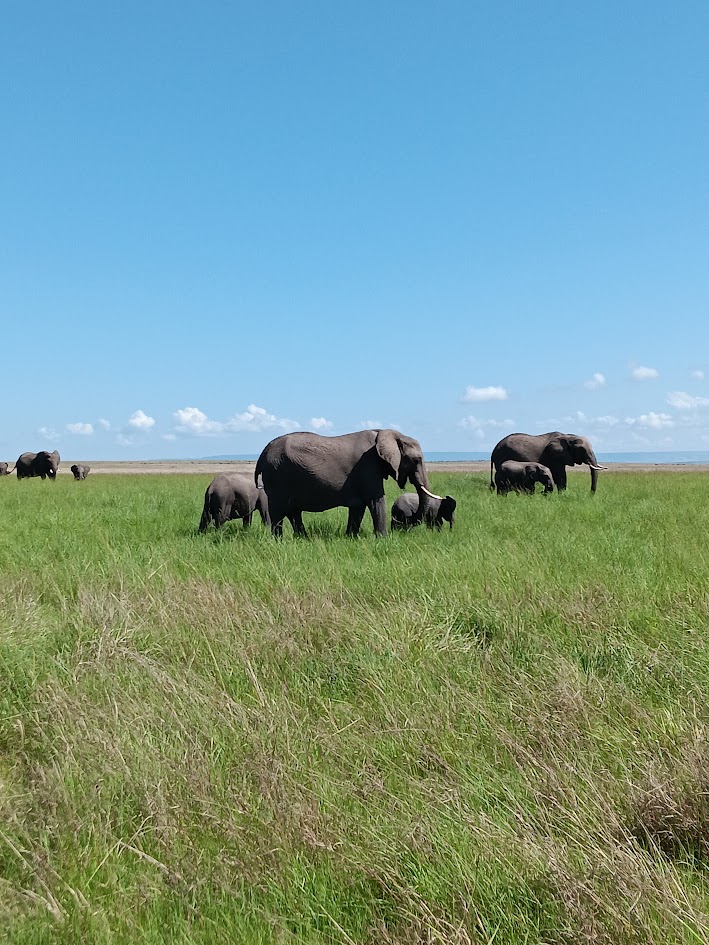
I cant fully describe the experience of being in the Massai Mara. The Great Rift Valley. Standing on the border of both Tanzania and Kenya. The first time an elephant walks in front of you. A cheetah head slowly rising out of the grass 40 feet away from you. A hippo slowly walking out of the river and gliding across the land.
Africa is stunning.
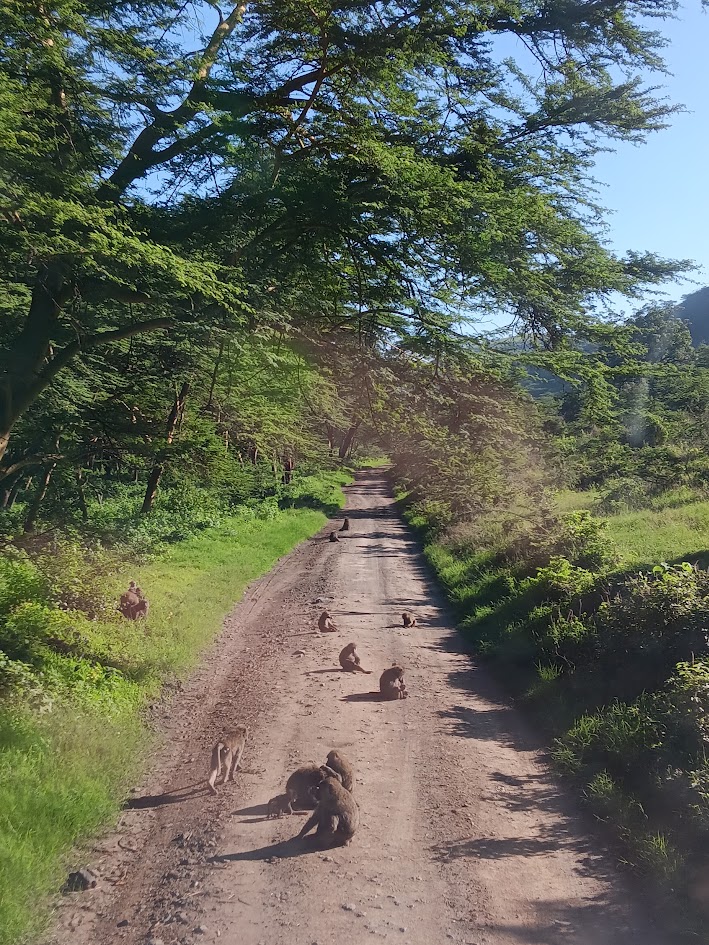
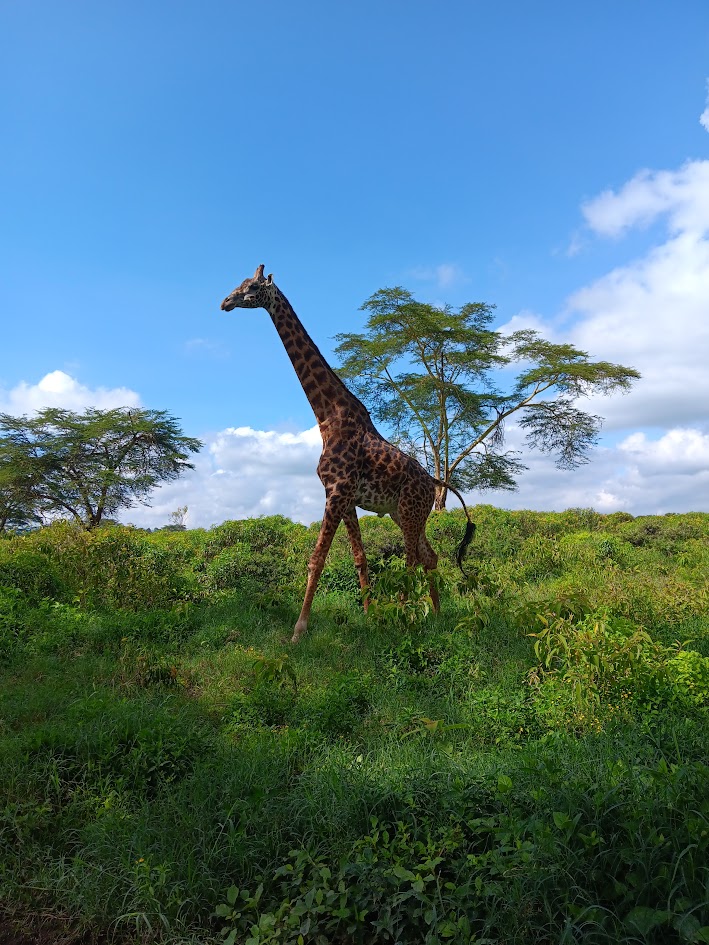
When you are driving leaving the city of Nairobi you just start to see baboons, zebras, and giraffes just meandering on the sides of the road. At one point there was a baboon sitting every 10 feet or so from each other on the road. One after the other. Dozens and Dozens. It was a remarkable thing to see.
Nothing quite hits like Africa.
